Reliable Commercial Architecture Services for Enterprises
Innovative Architect Designs: Unlocking the Benefits of Expert Architecture Services
Innovative design approaches are instrumental in transforming today's built environments. By championing eco-conscious functionality, designers can build settings that align with the needs of communities. The integration of eco-conscious resources and smart solutions boosts sustainable outcomes while fostering social interaction. As these innovations progress, they align with occupant demands and celebrate cultural traditions. One must consider: in what ways do these factors combine to transform our built environments and elevate human well-being?
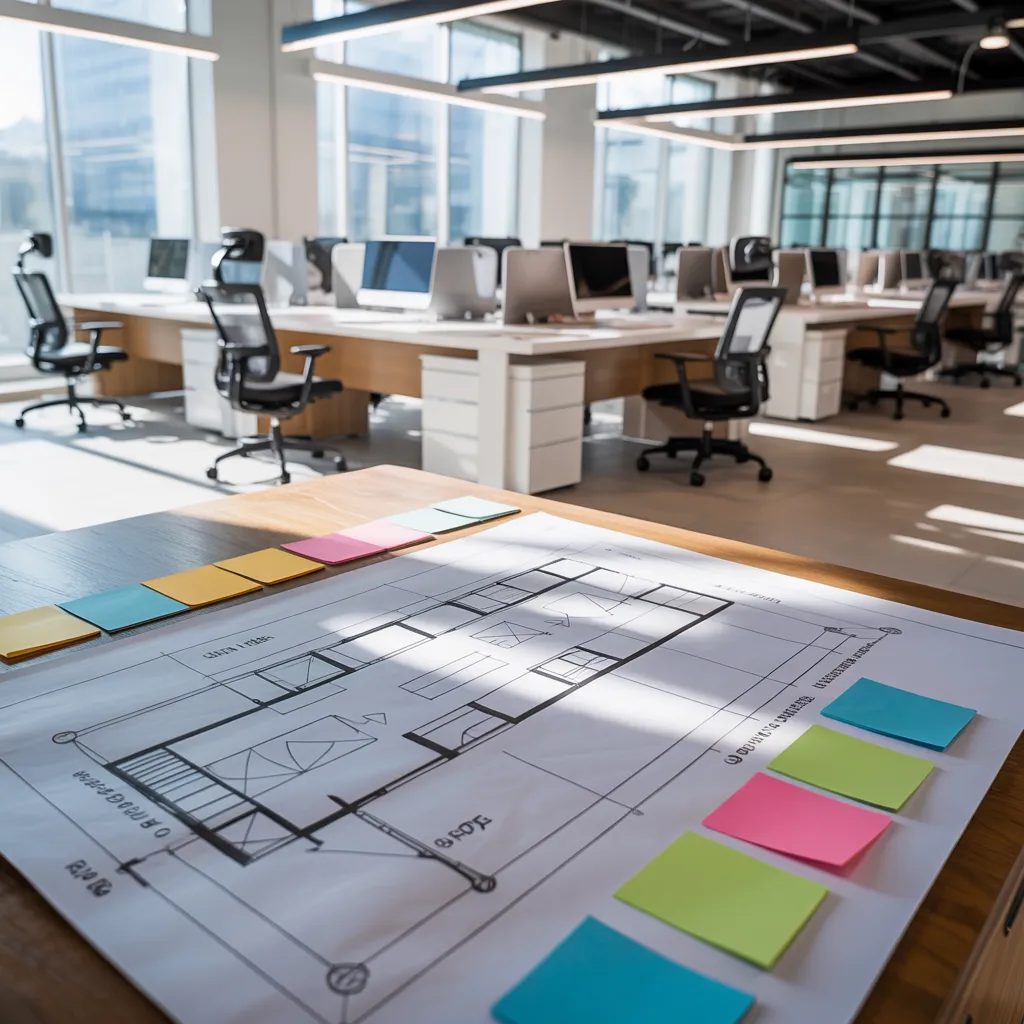
The Importance of Architects in Developing Sustainable Spaces
Architects hold a crucial role in the advancement of green spaces, substantially impacting the ecological footprint of architectural landscapes. Their proficiency supports the adoption of sustainable materials, energy-saving systems, and forward-thinking design approaches that reduce resource use. By prioritizing sustainability, architects are positioned to build structures that minimize greenhouse gas output and strengthen overall energy effectiveness.
Cooperation with technical description experts and environmental consultants is vital in this endeavor, guaranteeing that designs meet both aesthetic and functional criteria while maintaining eco-friendly standards. Furthermore, architects take into account the surrounding ecosystem, fostering biodiversity and weaving in natural components that encourage a balanced connection between built and natural environments.
Through thoughtful planning, architects champion the use of sustainable energy options, such as solar or wind power, which further reinforces environmental goals. Ultimately, their influence stretches well past construction; architects define the evolution of urban spaces by cultivating a dedication to environmental stewardship and responsible design.
Leading Innovations in Architectural Design That Boost Functionality
A wide range of developments in building design are transforming functionality in modern spaces. A notable innovation is the incorporation of intelligent technology, permitting buildings to cater to the demands of their users through automated lighting, climate control, and security systems. This enhances energy efficiency and user comfort.
Furthermore, modular building methods are becoming increasingly popular, supporting swifter building processes and broader design versatility. Such constructions can be readily modified or scaled up, making them appropriate for numerous functions.
Biophilic architecture, which incorporates natural elements into architectural design, promotes health and efficiency, fostering a bond between inhabitants and their surroundings.
Furthermore, open floor plans have become increasingly popular, enabling flexible spaces capable of accommodating various activities.
Additionally, eco-friendly materials are being employed not only for their sustainability but also for their aesthetic appeal and durability, improving the overall performance of contemporary buildings. Collectively, these developments result in more versatile and optimized architectural outcomes.
How Design Unites Communities
Architecture serves a fundamental purpose in nurturing connections within residential areas, creating spaces that facilitate engagement and cooperation among inhabitants. Carefully planned parks, public squares, and communal areas act as vital gathering spots, encouraging social engagement and a feeling of community. Design elements such as expansive floor plans and versatile areas create avenues for community events and initiatives, elevating the general well-being.
Moreover, designs that reflect local culture and history create a distinctive sense of identity, helping residents feel more connected to their environment. By focusing on accessibility and inclusivity, architects ensure that all individuals, regardless of age or ability, can participate in community life.
The incorporation of natural features, such as verdant areas and communal spaces, additionally elevates the neighborhood experience, giving residents a retreat and an area for mutual enjoyment. Ultimately, thoughtful architectural design not only shapes physical spaces but also nurtures the relationships that bind communities together.
Enhancing Energy Efficiency With Professional Architecture
A major transformation in favor of sustainable energy use is transforming the building design landscape, spurring the development of innovative solutions that lessen environmental consequences. Expert architecture services serve a vital function in this transformation by incorporating green methodologies into their designs. These architecture specialists analyze energy consumption patterns and apply cutting-edge materials, such as superior insulation systems and energy-efficient windows, to decrease climate control requirements.
Moreover, the inclusion of clean energy technologies, like photovoltaic panels and geothermal solutions, not only minimizes the need for fossil fuels but also decreases running costs for property owners. Smart building technologies continue to boost building energy efficiency, allowing for real-time monitoring and adjustments to energy use.
With careful planning and creative design, professional architects create spaces that not only comply with stringent environmental standards but also promote long-term sustainability. This emphasis on energy efficiency ultimately supports a greener planet and more robust communities, underscoring the vital role of architecture in addressing climate change.
Impressive Urban Landscape Redesigns
A prime illustration can be found in the revitalization of derelict waterfront districts into vibrant community spaces, featuring walking paths, parks, and cultural installations. These changes serve to enhance the landscape while also boosting regional economies by bringing in tourists and business opportunities.
Moreover, thoughtful urban planning considers the distinctive characteristics of a community, making certain that each transformation reflects its history and identity. This tailored approach encourages a sense of belonging among community members, inspiring responsible management of the space. At its core, impactful urban transformations highlight the potential of design to redefine city living and promote long-term urban sustainability.
What's Next for Innovative Architecture?
How can innovative architecture continue to adapt and respond to the evolving needs of society? As urban environments grow increasingly complex, architects are tasked with addressing pressing challenges such as sustainability, affordability, and social equity. Innovative technologies, encompassing artificial intelligence and next-generation materials, open up new possibilities for design, supporting more effective construction processes and superior energy performance.
Additionally, architects are consistently engaging with various stakeholders, from local communities to environmental specialists, making sure designs capture the principles and demands of the people they serve. This collaborative method promotes resilience, empowering constructions to withstand fluctuating ecological circumstances and public expectations.
In addition, the integration of biophilic design concepts supports well-being, forging a connection between occupants and nature. As the architectural landscape evolves, the focus on innovative solutions will stay at the forefront, inspiring the field to create spaces that are functional while also being transformative for coming generations.
Frequently Asked Questions
How Do Architects Collaborate With Engineers on Projects?
Engineers and architects work together by integrating design concepts with technical requirements, maintaining structural stability and operational efficiency. Frequent meetings enhance communication, permitting both parties to resolve issues and enhance project outcomes through shared expertise and innovative solutions.
What Are the Costs Associated With Hiring an Architect?
The expenses involved in engaging an architect typically include design costs, project oversight fees, and possible extra charges for on-site visits or consultations. These fees can fluctuate substantially depending on the complexity of the project and its location.
What Is the Average Timeframe for the Architectural Design Process?
The architecture design workflow typically takes a few months, depending on the complexity of the project and client needs. Considerations like permit approvals, design revisions, and coordination with contractors can further impact the overall timeline, often extending the duration considerably.
Can Architects Help With Zoning and Permit Applications?
Absolutely, architects provide assistance with zoning and permit applications. Their expertise helps navigate complicated regulatory requirements and ensures conformity with local regulations, making the process more efficient and boosting the prospects of gaining the essential approvals for building projects.
What Credentials Should I Seek in an Architect?
When hiring an architect, one should prioritize qualifications such as education, licensing, experience in relevant projects, excellent interpersonal and communication skills, and a portfolio demonstrating creativity and problem-solving ability. Relevant specializations should also be considered according to the requirements of your project.